How Sports are Increasingly Influencing Health and Society
In today’s world, where screens dominate our lives, sports offer a refreshing and essential escape. Whether you’re kicking a soccer ball or swinging a Lawn tennis, sports engage our bodies and minds, offering numerous benefits. Let’s explore the significance of sports in personal health and its broader role in society.
Introduction to Sports and Physical Fitness

At its core, Tida sports refer to any physical activity or game that challenges the body and mind. Whether it’s competitive, recreational, or for fitness purposes, sports are structured activities that promote physical exertion, coordination, and discipline.
Role of Sports in Maintaining Physical Fitness
When it comes to maintaining a healthy body, sports play a pivotal role. Regular physical activity helps build stamina, improve flexibility, and boost overall fitness levels. Engaging in sports is a natural and enjoyable way to stay active, keeping our bodies in peak condition.
Benefits of Engaging in Sports
Physical Health Benefits
Sports are not just fun; they come with a multitude of health benefits that positively impact our daily lives.
Enhancing Cardiovascular Health
Sports such as running, swimming, and cycling are excellent for heart health. They promote increased blood flow, lower cholesterol levels, and reduce the risk of cardiovascular diseases.

Strength and Muscle Development
Engaging in sports helps in building muscle strength. Sports like weightlifting, basketball, or tennis encourage muscle development while simultaneously improving agility and endurance.

Mental Health Advantages
The benefits of sports aren’t limited to physical health; they also contribute significantly to mental well-being.
Reducing Stress and Anxiety
In today's fast-paced life, stress has become a common issue. Engaging in sports releases endorphins, often called "feel-good" hormones, which can alleviate stress and improve mood.
Boosting Self-Esteem and Confidence
When we achieve goals in sports—whether it's learning a new skill or winning a game—it boosts self-esteem. This confidence spills over into other areas of life, fostering a sense of achievement and personal growth.
Social Benefits of Sports
Playing sports isn't just about winning or losing; it's also about forming connections and building relationships.
Building Teamwork and Communication Skills
Sports like soccer, basketball, and volleyball are all about teamwork. They teach players the value of working together, communicating effectively, and trusting each other to achieve a common goal.

Fostering Community and Social Connections
Whether you’re playing in a local league or simply engaging in pick-up games with friends, sports have a unique way of bringing people together. They create a sense of community, belonging, and shared experiences.
Popular Sports Around the World
Sports transcend cultural and national boundaries, and some have captured the attention of millions worldwide.
Soccer: A Global Phenomenon
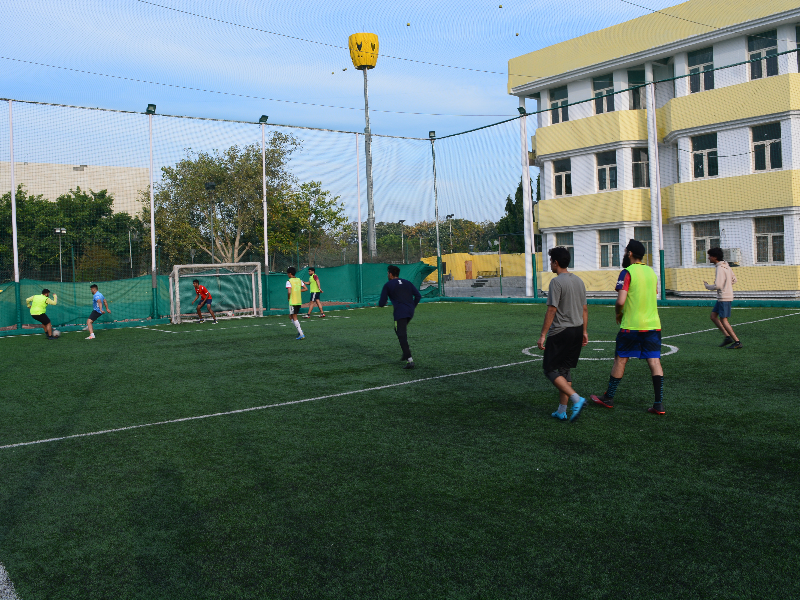
Soccer, or football as it's known in many parts of the world, is perhaps the most popular sport globally. Its simplicity and excitement make it accessible to everyone, from children in a park to professionals in massive stadiums.
Basketball: Fast-Paced and Dynamic
Basketball is another sport loved worldwide. Known for its fast pace and strategic gameplay, it has become a global favorite, particularly in countries like the USA, China, and the Philippines.
Cricket: Tradition Meets Modern Excitement
In countries like India, England, and Australia, cricket holds a deep-rooted tradition. What began as a leisurely sport has evolved into an exciting spectacle with various formats like Test cricket, One Day Internationals, and T20s.

How to Choose the Right Sport for You
With so many sports to choose from, how do you pick the one that’s right for you? Here are a few factors to consider.
Factors to Consider When Choosing a Sport
Personal Interests and Goals
If you enjoy fast-paced action, sports like basketball or soccer might be ideal. On the other hand, if you prefer something more strategic, you might gravitate towards sports like chess or archery.
Physical Ability and Fitness Levels
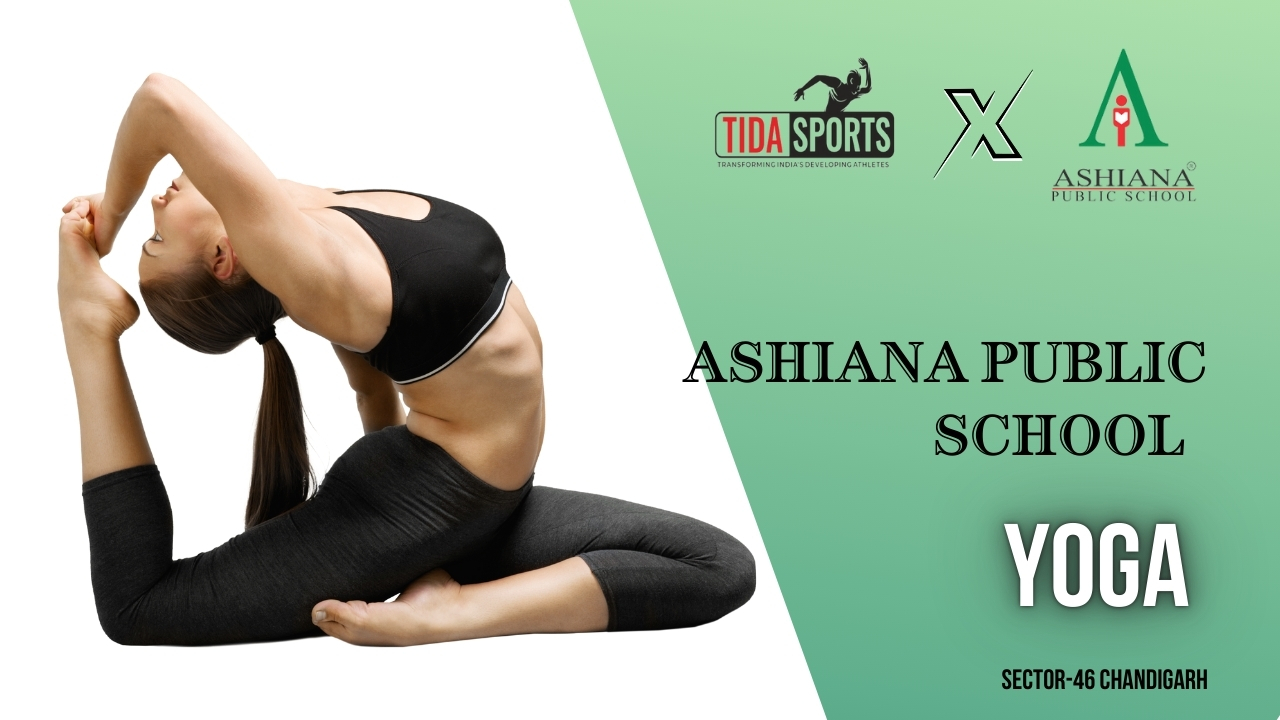
Consider your current fitness level and any physical limitations you may have. If you’re just starting, lower-intensity sports like swimming or yoga might be more suitable.
Trying Different Sports: Finding What Fits
Don’t be afraid to experiment with different sports. You might discover a hidden passion for a sport you’ve never considered before.
The Role of Sports in Personal Development
Beyond physical fitness, sports play an essential role in shaping character and personal growth.
Discipline and Time Management
Training for any sport requires discipline. Athletes often have to balance school, work, and other commitments, teaching them valuable time-management skills along the way.
Sports as a Tool for Leadership Development
Sports teach leadership skills naturally and engagingly. Being the captain of a team or a key player in a game fosters decision-making abilities and the confidence to lead others.
Conclusion: Why Sports Matter
Sports aren’t just games; they are powerful tools for personal, physical, and social development. Whether you’re playing for fun or competition, the lessons learned from sports can have a lasting impact on your life. From boosting physical health to fostering leadership skills, the benefits of sports are undeniable.
.jpg)
Comments
Post a Comment